BACK
What remains of a landscape once its historical continuities have been interrupted by political borders?
This project approaches pilgrimage as a ritual practice through which territory is experienced rather than represented. Walking becomes a performative act of listening to the land, where movement itself constructs a relationship between geography, memory, and the invisible histories embedded within place. Through this embodied journey, territory emerges not as a fixed landscape but as a living structure shaped by ancestral presence, spiritual continuity, and historical rupture.
Taking the border not simply as a political line but as an interruption of these continuities, the work reflects on how imposed divisions fracture landscapes that once sustained shared cultural and cosmological systems.
Developed through a pilgrimage across different communities in Mexico, the project unfolded as a process of collecting earth from each place visited. Rather than functioning as documentation, these materials became symbolic fragments of an invisible geography, carrying traces of memory, ritual, and presence embedded within the land itself.
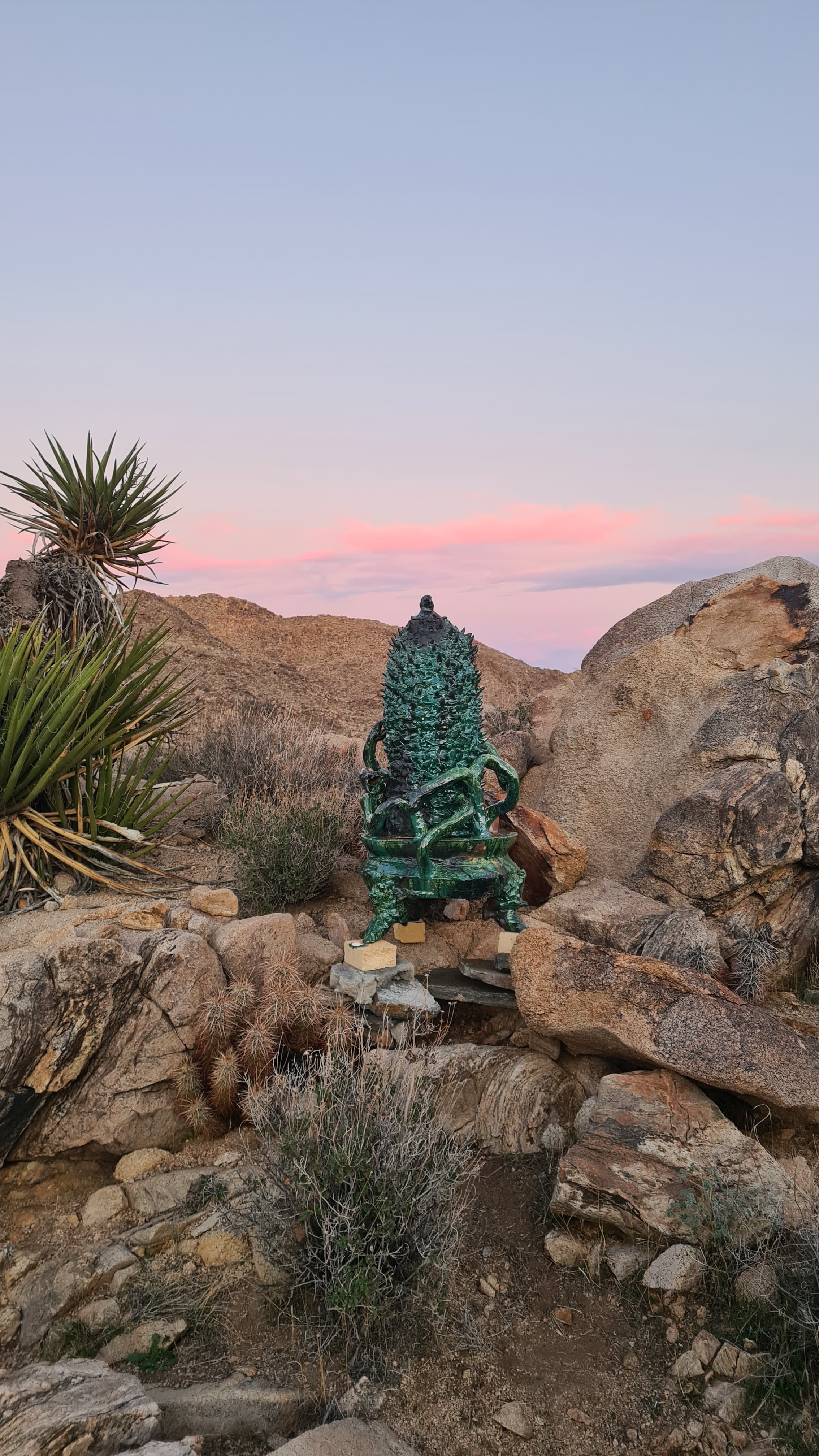
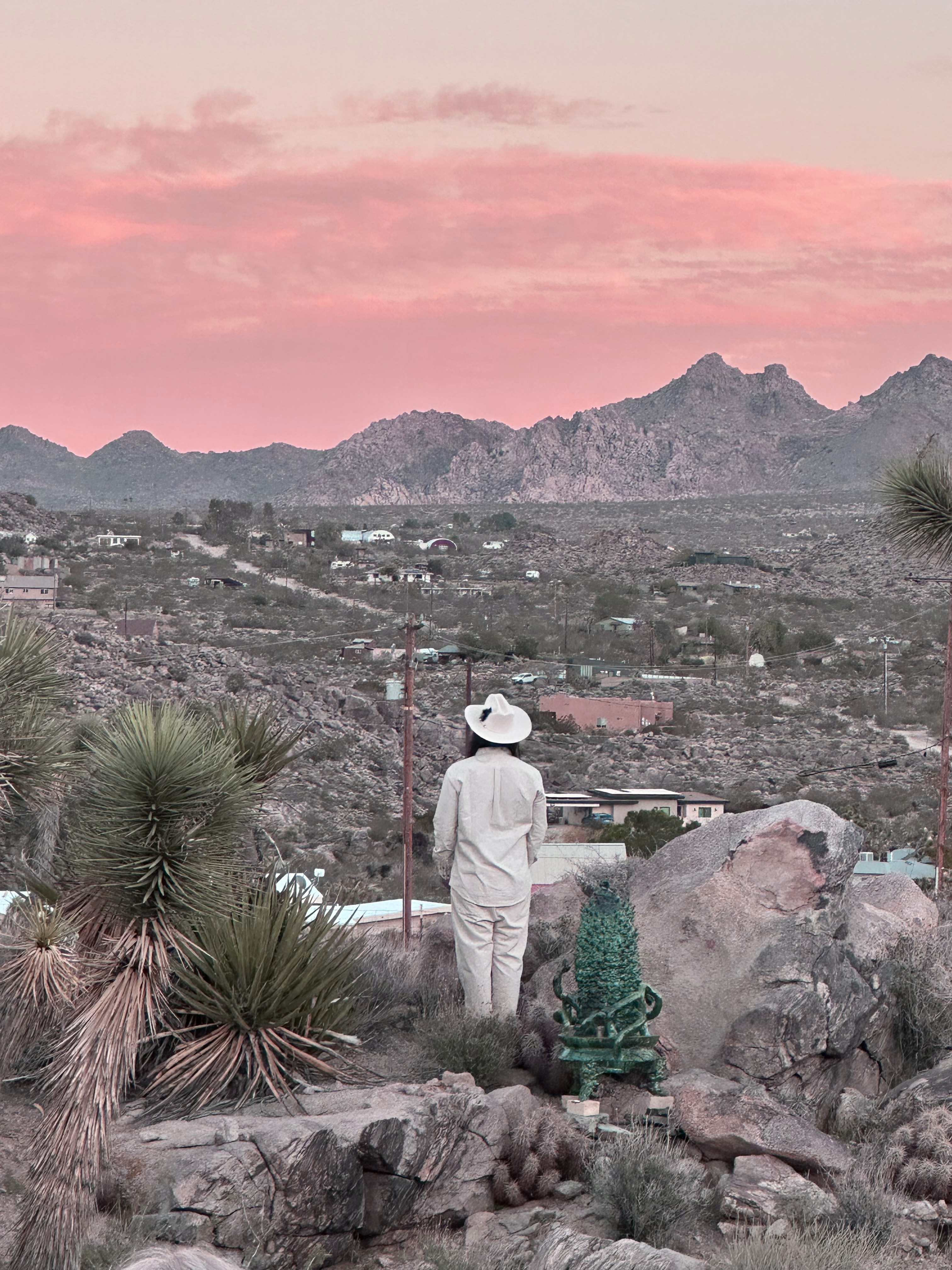
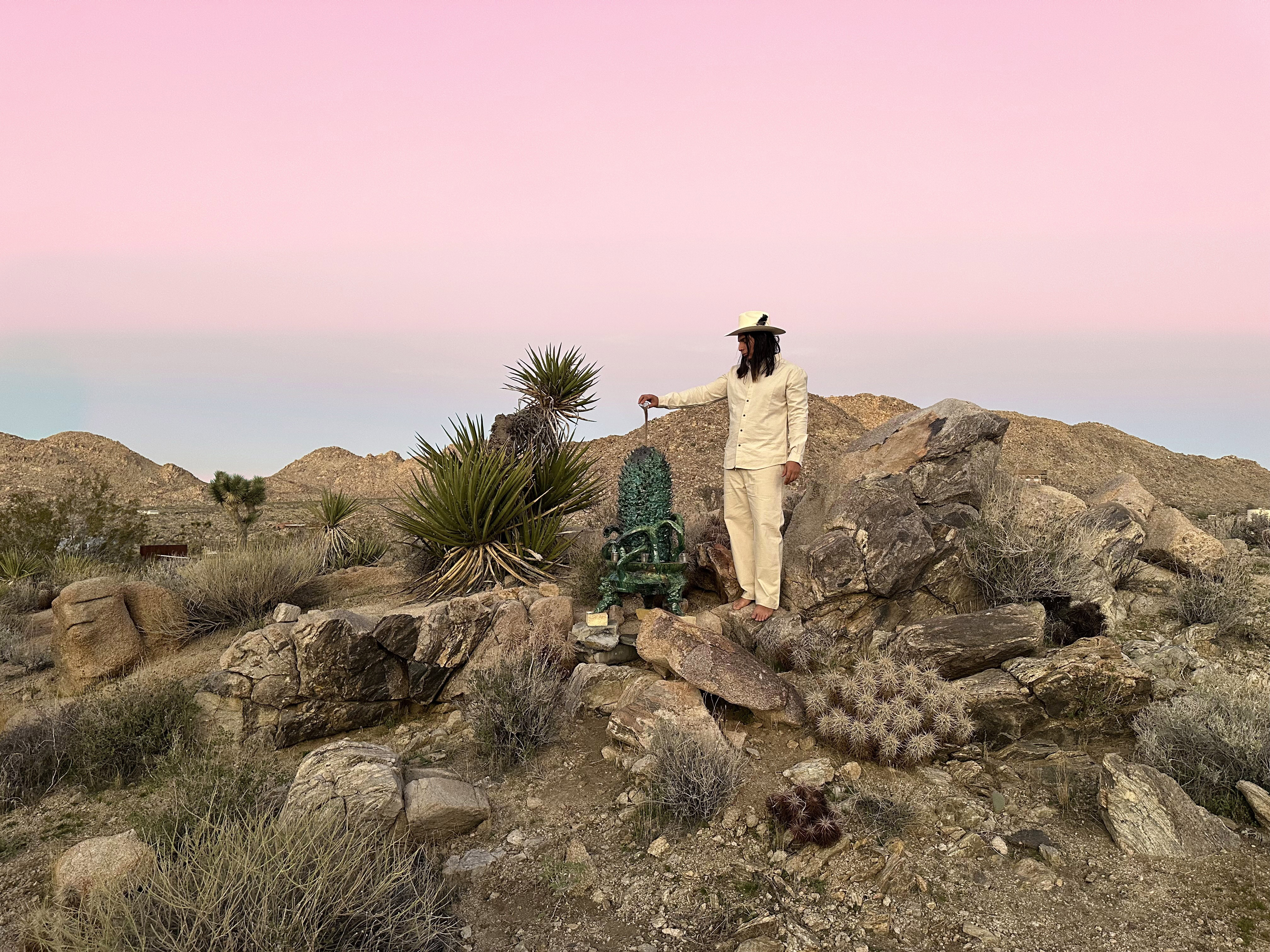
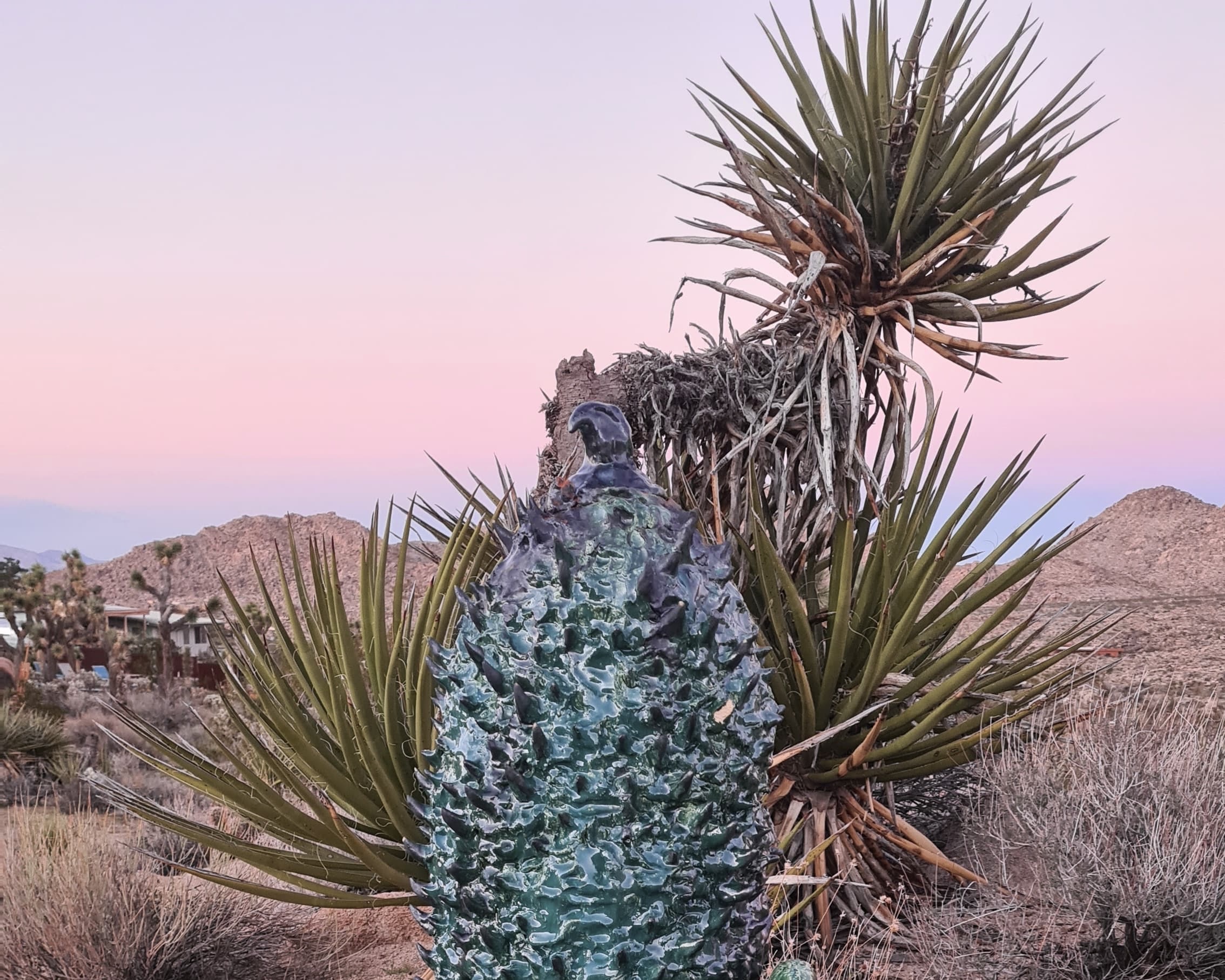
The journey culminated in the Mojave Desert during a residency at JTHAR. There, the collected soils were incorporated into a ceramic vessel, physically depositing the terrain traversed in Mexico into a new landscape across the border. Through this gesture, ceramics become both container and threshold, holding together territories that contemporary borders insist on separating.
Rather than treating the border as a fixed limit, the work imagines it as a space of negotiation, where movement, memory, and material challenge the permanence of political divisions. Earth becomes a witness to historical continuity, while the act of carrying and transforming it proposes an alternative cartography—one shaped by ritual, embodied experience, and ancestral connection rather than by national boundaries.
This body of work extends my ongoing investigation into ritual as a way of understanding place, proposing the landscape not as a passive setting but as an active bearer of memory, where material gestures can momentarily restore the continuities that borders seek to erase.