BACK
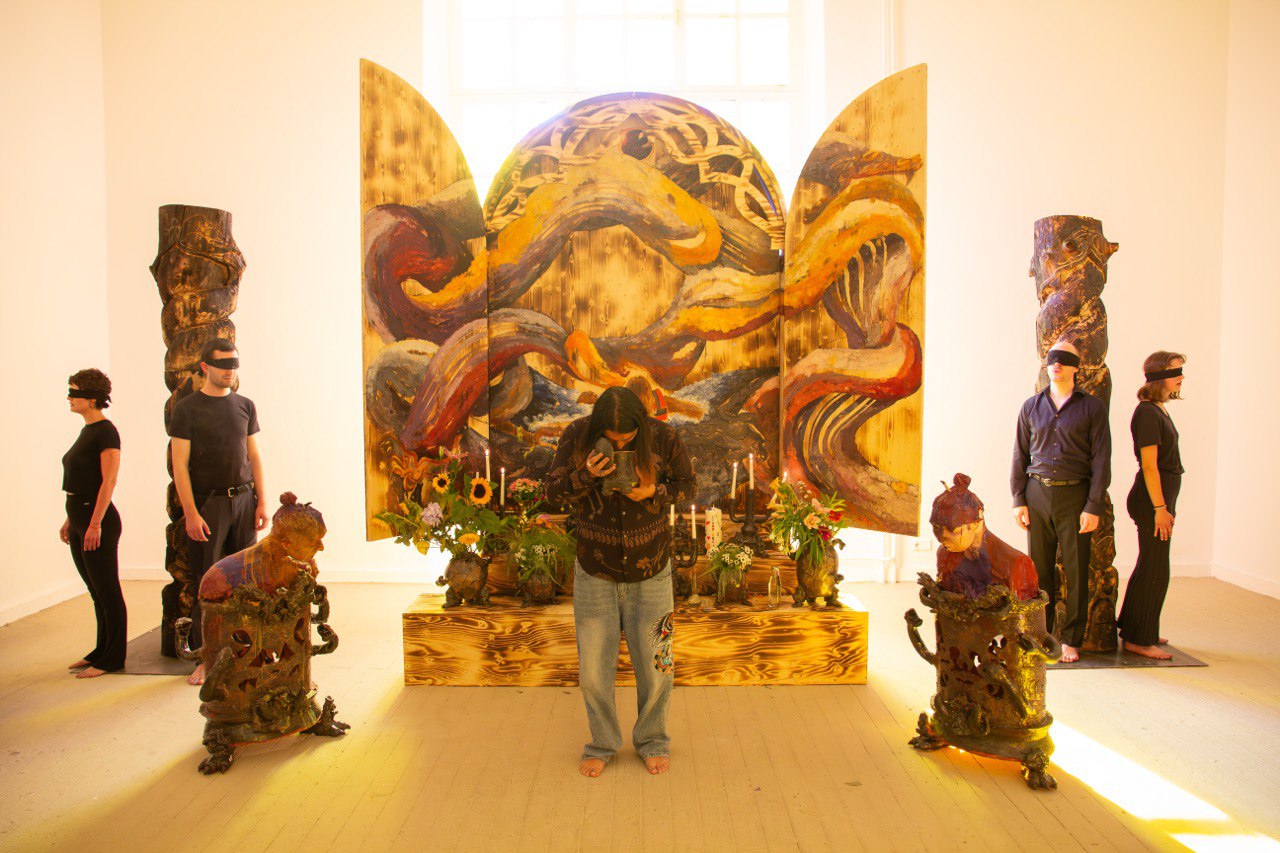
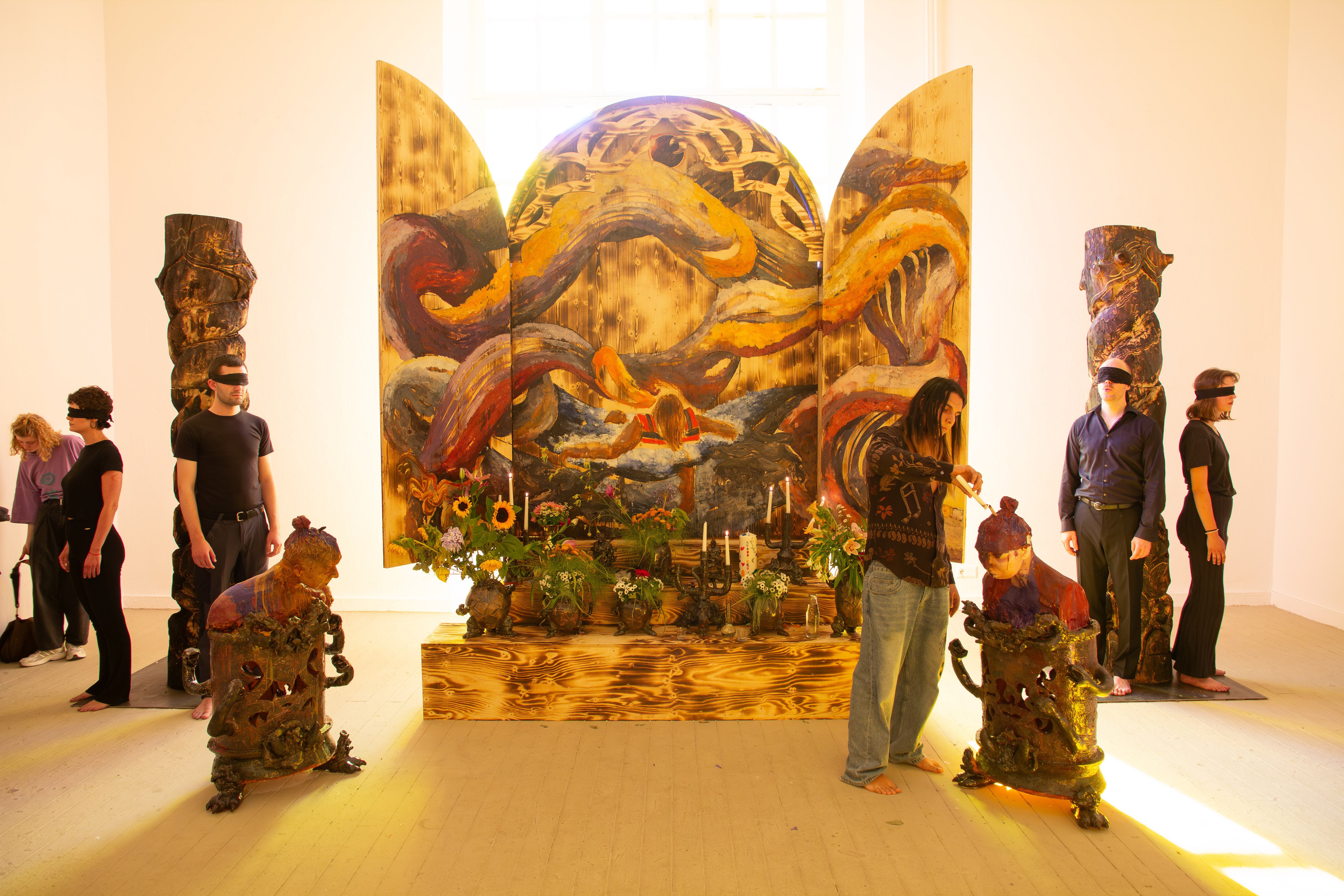
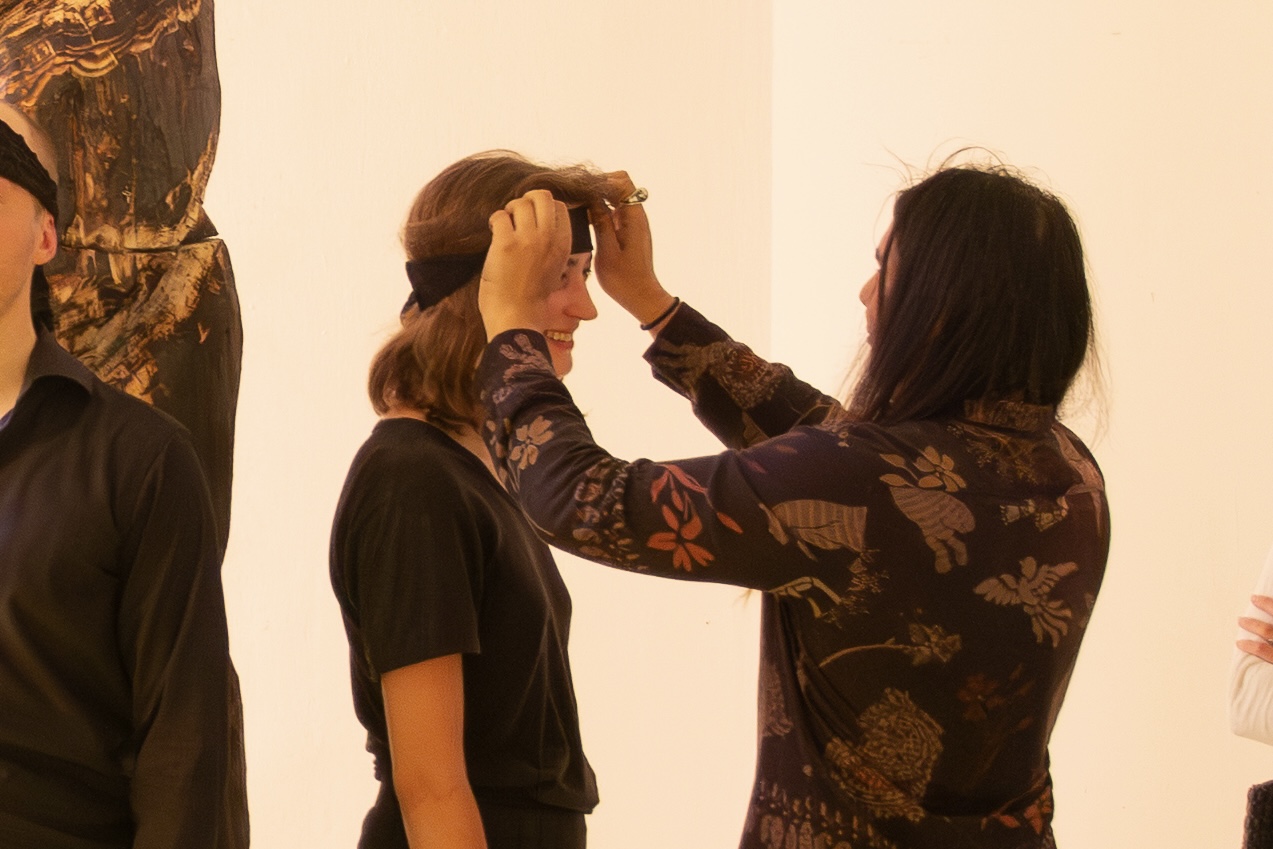
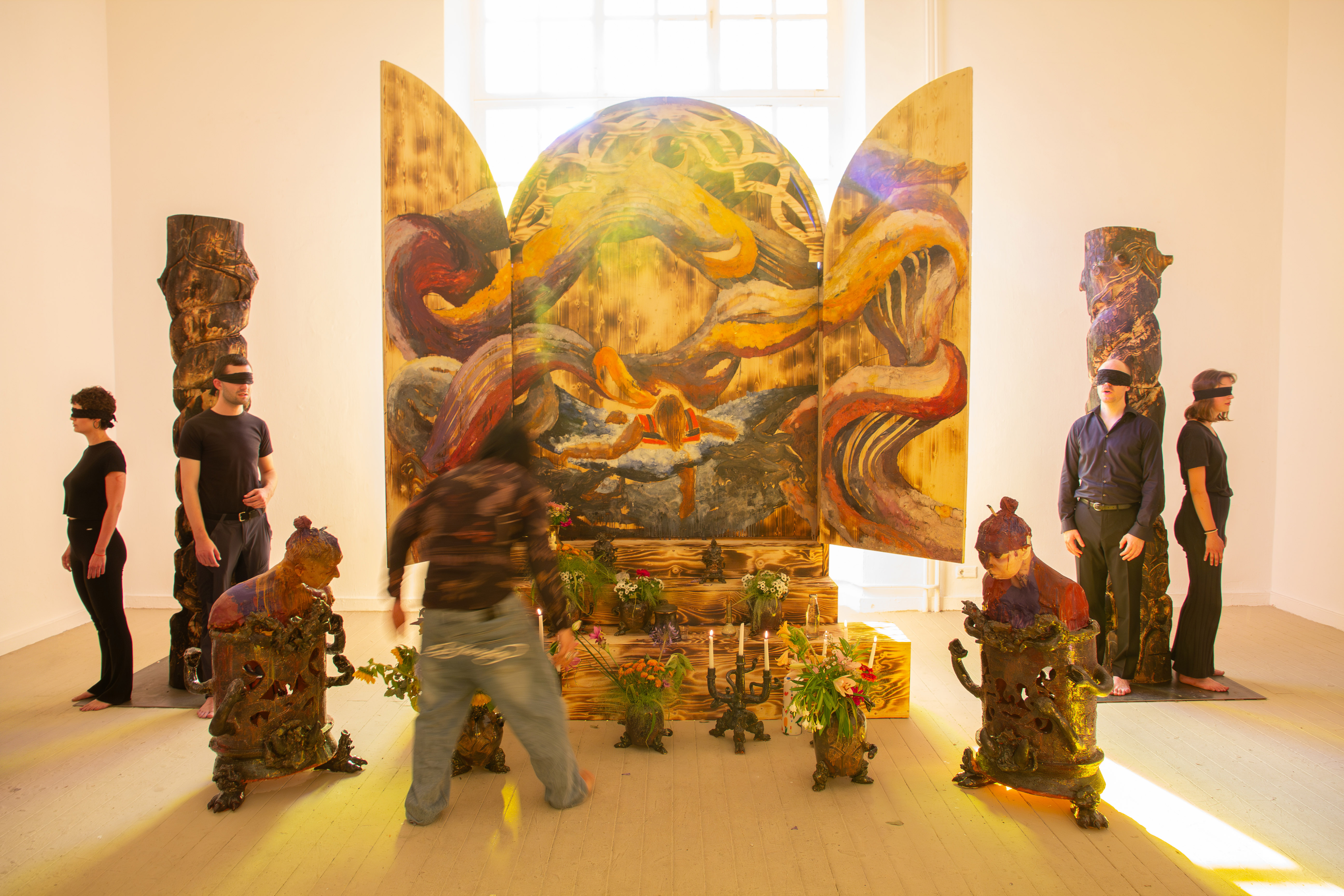
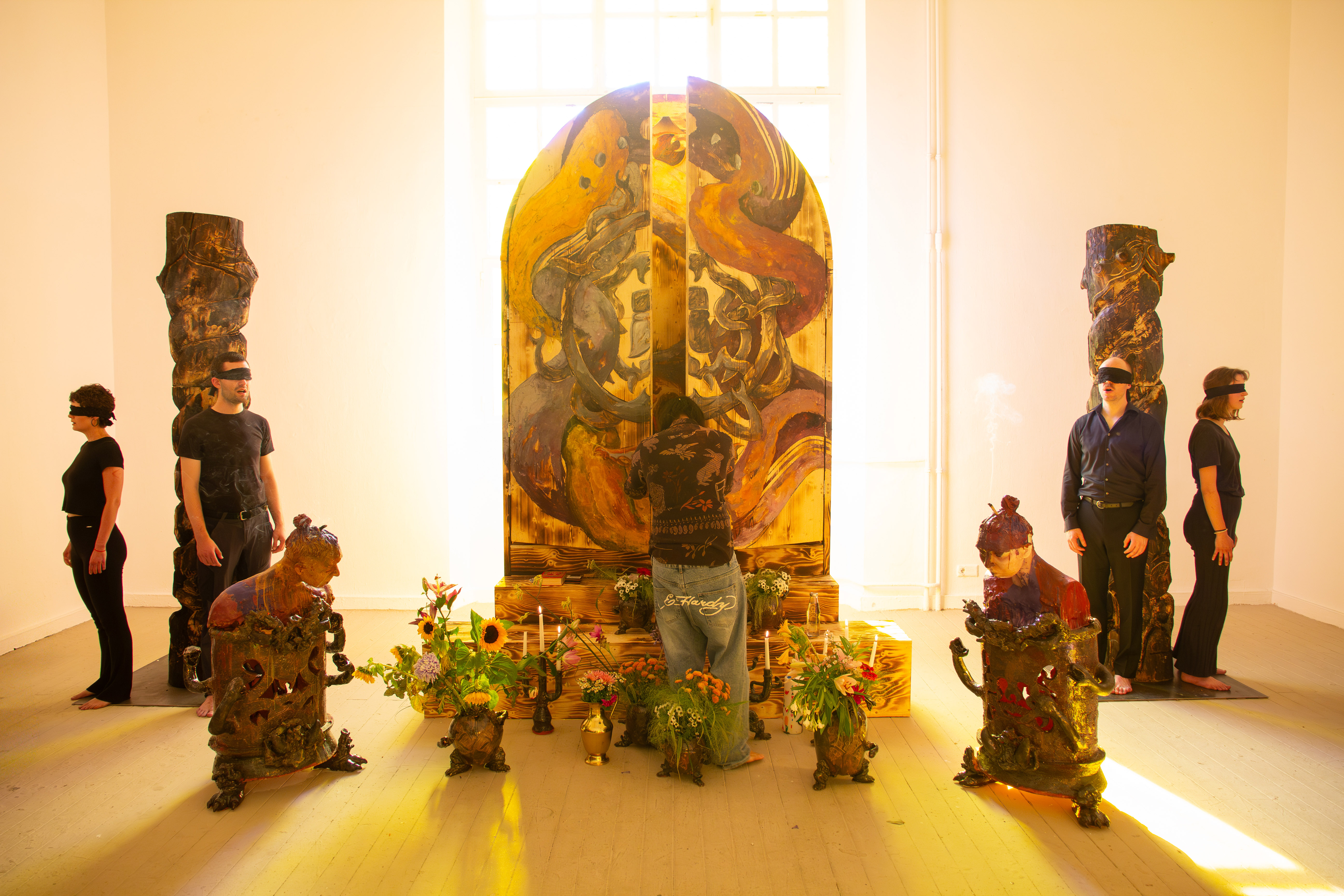
"Cuauhtecotzin" is a closing ritual that emerged from "This is the End", marking a decisive transition within my artistic practice. The performance responds to a request my grandfather made before his death: to reclaim the family name "Cuauhtecotzin", an Indigenous identity erased generations earlier through the combined forces of religious conversion and bureaucratic assimilation.
For my grandfather, recovering this name was never simply about ancestry. It represented the possibility of restoring a continuity that colonial history had fractured. Deeply critical of Catholicism and its role in the loss of Indigenous identity, he believed that my artistic practice could become a space where this interrupted world might continue to exist. The performance therefore became both a personal and intergenerational act, closing the chapter of "Fabián Ramírez" while opening a new stage of my work through the symbolic recovery of "Cuauhtecotzin".
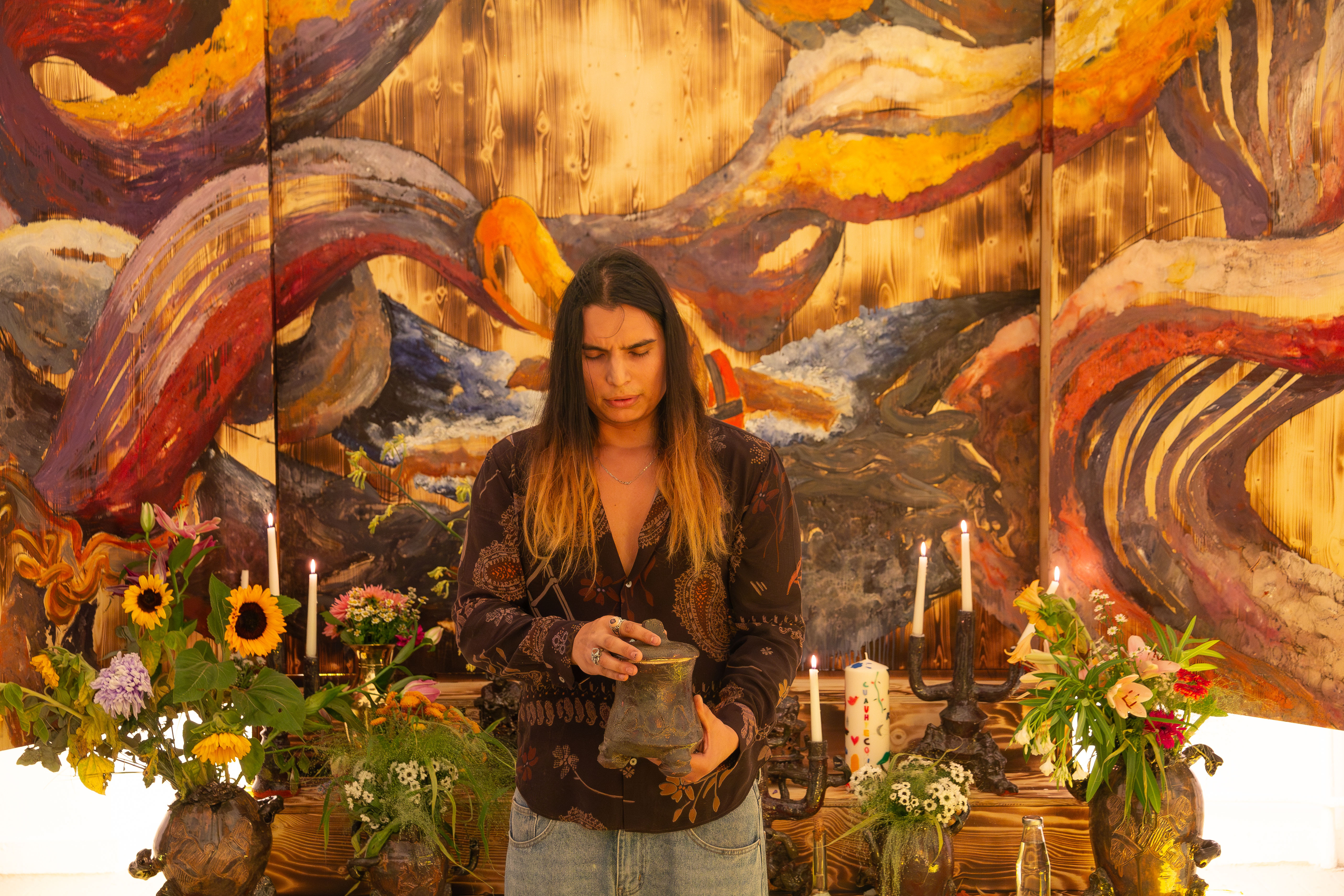
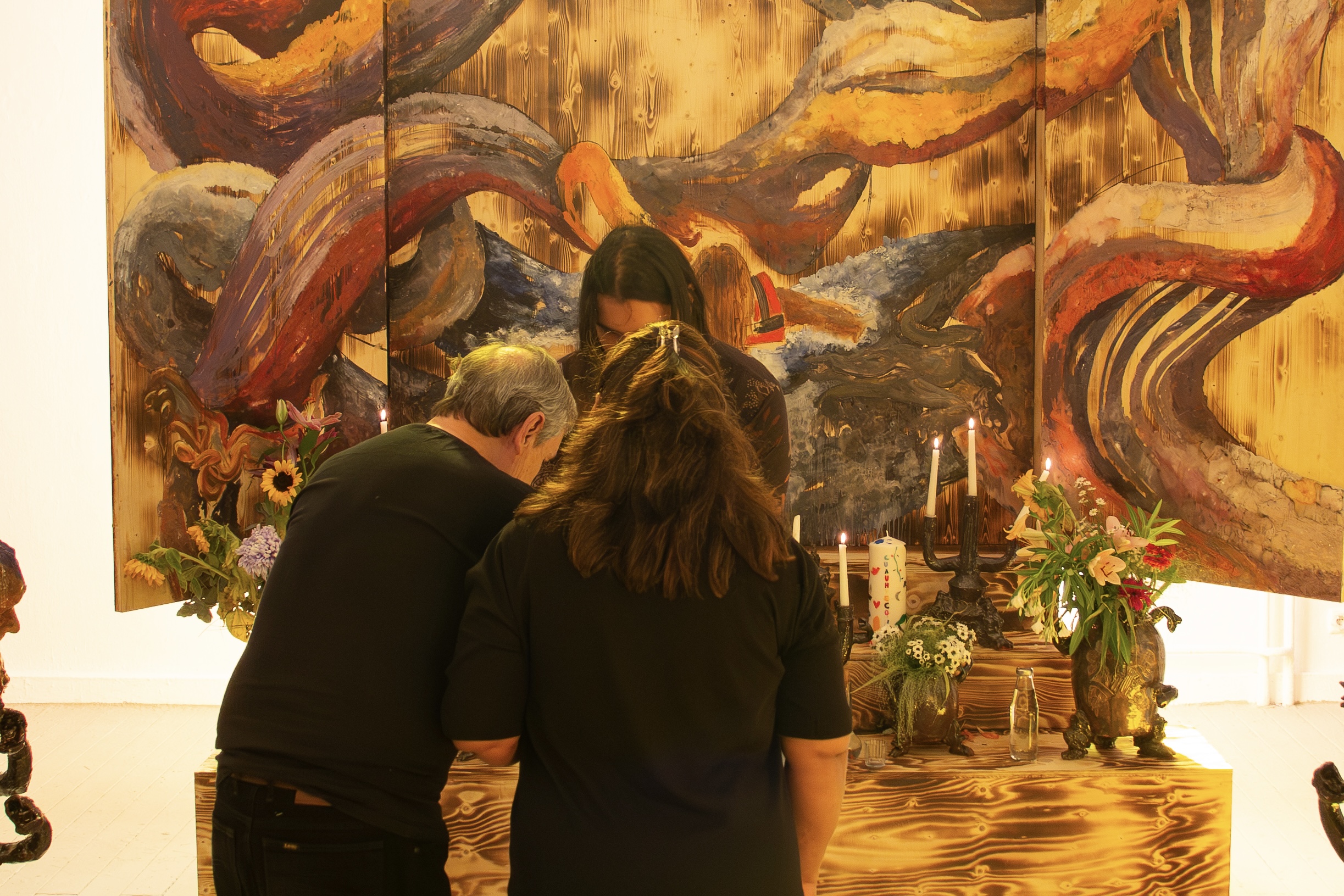
My parents travelled from Mexico carrying my grandfather's urn, placing his ashes at the centre of the ritual. Rather than commemorating his absence, the performance sought his permission to inhabit the identity he had entrusted to me. In this sense, identity is understood not as something inherited through blood alone, but as something enacted through ritual, memory, and responsibility.
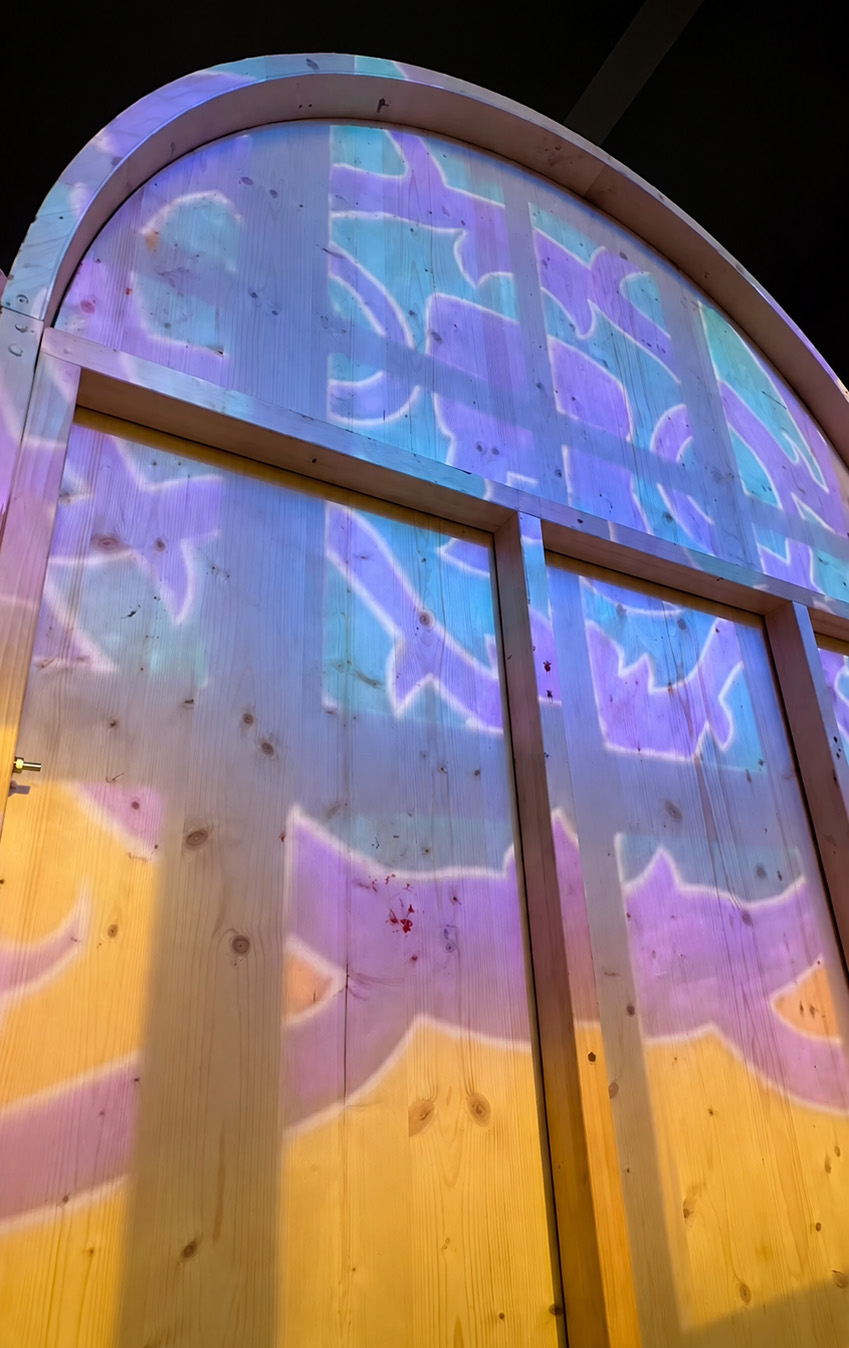
The work unfolded at the precise moment when a painted intervention on the gallery window aligned with the setting sun. At exactly 8:00 p.m., the projection created an eclipse-like image behind the altar, temporarily transforming the exhibition space into a ceremonial architecture. This fleeting alignment of light was accompanied by a sustained monotonal choral composition performed by fellow graduates from the Kunstakademie Düsseldorf, whose collective voices activated the ritual as both a personal and communal passage.
Bringing together ancestral remains, painting, architecture, light, and collective voice, "Cuauhtecotzin" understands performance as a threshold between past and future. It proposes ritual as a living structure through which memory may be transformed into continuity, and through which identity can be reclaimed not as a return to origins, but as an ongoing commitment to those who came before us.